
Brand impersonation
Brand impersonation looks like your store, and your customers cannot tell
Same photos, same copy, a domain one letter off, prices at a fifth of yours. Some of these clones ship a worse product. Some ship nothing at all. Knockoff watches for storefronts trading on your brand, gathers the proof while the site is still up, and prepares the exact takedown, then signs and files it on covered platforms.
$799 a month. Monthly billing, no contract, 30-day money-back guarantee. The guarantee ends when we file your first notice.
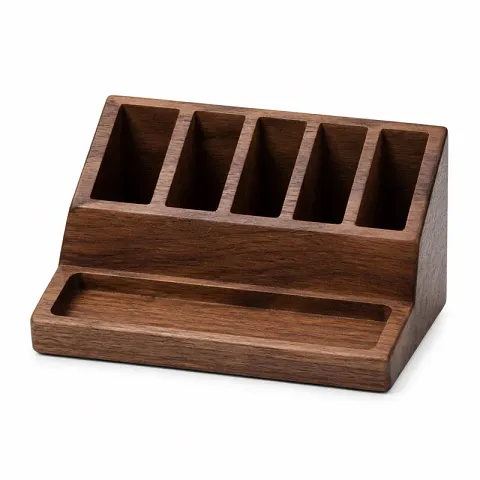
Walnut Organizer Shop
Your photos, their checkout
Certificate issued 2 hours ago, no customers yet
What a cloned storefront actually looks like
It is rarely subtle and it is rarely careful. Somebody scrapes your site, pushes it into a template, and ships it. The product photos are yours, straight off your CDN in some cases. The descriptions are yours word for word, occasionally with your own brand name still buried in a paragraph they forgot to swap out. The layout is recognizably your layout. The reviews are invented.
The domain is the tell, and it is deliberately weak. Your name with a hyphen. Your name plus "outlet", "official", "shop" or "us". Your name with one letter doubled. A shopper who half-remembers your brand from an ad does not audit a URL. They see the photos they recognize, a price that reads like a clearance sale, and a checkout button.
Then there are the clones that never intended to ship. Prices sit at a fifth of yours, the checkout takes real card details, and nothing arrives. Founders find these when the emails start: order numbers they cannot find, tracking numbers they never issued, and people who are certain they bought from you. Some of these operations replicate a single storefront dozens of times across fresh domains.
A clone usually arrives with a social account attached, because that is where the traffic is bought. The account wears your handle with an underscore or the word "official" added, posts your photography, and points at the fake store from its bio. Reporting one is its own decision, and the form most people are sent to is built for a person rather than a company: here is which Instagram report actually removes a fake brand account. Knockoff finds those accounts for you, on TikTok and Facebook, and files the impersonation report.
Marketplace theft and storefront cloning are two versions of the same problem, and most brands eventually get both. If you want the wider picture first, read about protecting your brand across the web. If you already have a store in mind, our free checker will see whether a suspect store is serving your photos.
The bill lands on the real brand
The lost sale is the smallest part of this. A shopper who buys from an impersonator and gets nothing does not blame a domain they have already forgotten. They blame you.
- Support load you did not earn. Your inbox fills with people asking where their order is. Every one of them needs an answer, and the honest answer, that they bought from a fake, is the one they least want to believe.
- Reviews and ratings for a product you never shipped. One-star reviews and public complaints attach to your brand name, not to the clone. Search results for your name start carrying somebody else's failures.
- Chargebacks and payment noise. Buyers dispute charges from a store they think is yours. Some of that reaches your processor, your ad accounts and your marketplace standing before you have any idea what happened.
- Ad spend feeding the copy. You pay to make people want the product. A clone ranking or bidding on your name collects some of that demand for free, and undoing it takes far more work than the copying did.
- Trust you cannot rebuild quickly. A customer burned by a fake version of your brand rarely comes back to try the real one.
And almost nobody finds this early. Discovery is usually a customer message, months after the clone went live, by which point the damage is already priced into your reviews. If you are reading this because it just happened, start with what to do the day you find your website copied.
A clone almost always needs a name to live on, and the name is usually a bent version of yours. You can check which misspellings of your domain are already registered in a minute, and see which of them are running a store today.
What Knockoff does about impersonators
You connect your store domain. Your catalog syncs, and your product photos and copy become the reference. No API key, no password, no order or customer data changes hands. Read how we handle your data before you connect anything, here or anywhere else.
- Copycat storefronts get surfaced without you searching. Knockoff watches for stores running your photos and your product copy, so you stop searching your own brand name every Sunday.
- The proof is captured while the site is live. Every case carries an archived copy of the page as it looked when it was found, a timestamped screenshot, your original beside the copy, and the prices the clone was showing. A store that vanishes after the report does not take your evidence with it.
- The notice is written and filed. The exact claim text and the right claim type, sent through the correct reporting form for the host or platform involved. Reporting a clone means knowing which of four or five different doors to knock on. That part is done for you.
- Weak cases never go out under your brand. A match counts only when your own photo appears in the seller's listing gallery, and the automated checks can only remove a match, never add one.
- Fake accounts get the same watch. TikTok and Facebook get checked every week for accounts trading on your name. Each one arrives with the profile captured and the store it points at, and we file the impersonation report.
- The reopening is watched too. Impersonators relist and re-domain. A filed case stays under watch, and a reappearance opens a fresh follow-up package that Knockoff files.
- Related stores get connected. The same operator often runs several clones at once. Knockoff shows you when the copies it finds point back to one operator, and files against each of their stores.
The finished case is the point of all of it. See how Knockoff gets from a connected store to a filed takedown, or read what belongs in a prepared takedown package.
Can't I just report it to the platform for free?
Yes, and you should. The free reporting programs are real. Shopify, the marketplaces, the big hosts and the registrars all run copyright and impersonation forms, they cost nothing, and they are the correct destination for a claim. Knockoff files through those same forms as your authorized agent.
Three limits are worth knowing before you rely on them alone. None of those programs watch anything for you: the form sits there waiting until the day a customer tells you a clone exists. Each one covers exactly one platform, and an operator running six clones spreads them across six different providers on purpose. And every form asks you to prove the copying, with the original work identified, the copy captured and the claim written correctly, before it will act.
That is the labor, and it stays yours no matter how many free forms exist. Amazon Brand Registry has the same shape on the marketplace side: real, worth enrolling in, requires a registered trademark, covers one platform, and the finding is still your problem.
What it costs
Knockoff is a signup form and a monthly price, $799 a month. That covers your product photos watched across marketplaces, the evidence with every match, copycat storefront detection, which is the lane this page is about, fake accounts on TikTok and Facebook, and notices we write and file for you on covered platforms with no monthly cap.
No contract, no trial, monthly billing, and a 30-day money-back guarantee. The guarantee ends when we file your first notice. Enterprise brand protection is sold on a demo call and an annual contract, and merchants who have taken that call report quotes in the tens of thousands a year. See what the plan covers, or start with how to compare brand protection tools if you are still working out what to buy.
What Knockoff does not do
Worth reading before you pay for anything in this category, here or anywhere else.
- It works with Shopify stores only today. The connection is Shopify, one store per account, and your catalog is what gets watched.
- It does not guarantee removals. Hosts, registrars and platforms decide for themselves what comes down and when. Every case is prepared to the standard their forms ask for, and no honest vendor can promise you the outcome.
- Agent filing works only where the platform accepts it. On those platforms Knockoff signs and submits the notice for you. For Amazon photo claims, Knockoff finds the copy and prepares the notice, and you send it from your own Amazon account in about two minutes. Knockoff is not a law firm and nothing here is legal advice.
- Trademark watch covers US filings. New US applications sitting close to your marks are flagged when they publish. There is no coverage of any register outside the United States.
- Design-clone detection is advisory. When an impersonator re-shoots or regenerates your photos, Knockoff can tell you it happened. It never turns that alone into a takedown.
- It is not for clearing your resellers. Sellers legitimately reselling your own goods are off limits, and the product blocks it.
Questions
What is brand impersonation? +
Somebody presenting themselves as your brand, or as close to it as they can get without being you. In ecommerce that usually means a cloned storefront: your product photos, your descriptions, your layout, a domain a letter or two off your own, and prices low enough that shoppers believe they found a sale. It also covers fake social accounts in your name, marketplace sellers using your name, and paid ads pointed at a copy of your site.
What should I do if someone clones my store? +
Collect the proof before it moves. Save the pages, the domain record and the prices while the clone is still live, because a clone that gets reported often disappears and reopens on a new domain the same week. Then report it in the right place: the host, the domain registrar, the payment processor, and the platform the store is built on. Each of those wants a different form and different evidence, which is the part that eats the weekend. Knockoff does the finding and the evidence, prepares the exact notice, signs it, and files it on covered platforms.
Is a cloned store illegal? +
Copying your product photos and your written descriptions is copyright infringement, and copyright exists the moment you take the photo. Trading on your brand name is a trademark question, which is a separate matter and depends on what you have registered. Most cloned stores do both at once, which is why the photo claim is usually the fastest route to getting one taken down. Knockoff is not a law firm and nothing here is legal advice.
Do I need a registered trademark to report an impersonator? +
Not for the photo side. Your product photography is protected by copyright automatically, with no filing and no fee, and a copyright claim works on every marketplace and with most hosts. Trademark-based impersonation reports vary by platform: some accept a common-law claim, some want a registration number. Registering your marks widens what you can act on, and it is not a prerequisite for reporting a clone that is using your photos.
How fast does a cloned store come down? +
It depends entirely on the host, the registrar and the platform, and no vendor controls that. Some hosts act within days on a complete claim. Some clones move to a new domain before anyone answers. Knockoff prepares every case to the standard those forms ask for, files it as your authorized agent, and tracks what happens after, including the reopening on a new domain. Nobody in this category can guarantee a removal, and anyone who does is selling you something they do not own.
How does Knockoff find a clone I have never seen? +
Your Shopify catalog is the reference. Once your store is connected, your product photos and copy become the thing every watched surface gets checked against, so a storefront running your images gets surfaced without you searching for it. Copycat storefront detection and the marketplace side, where your photos turn up in somebody else's listing, are both included at $799 a month.