
Brand protection software
Brand protection software priced for the brand getting copied
Someone is selling your product with your photos. Knockoff watches your catalog across Amazon, Temu, eBay, Etsy, AliExpress, Walmart, Facebook, Instagram and the open web, confirms every match against the seller's own listing gallery, and prepares the exact takedown, then signs and files it for you. For Amazon photo claims, you send the notice we prepare from your own Amazon account.
Monthly billing, no contract, 30-day money-back guarantee. The guarantee ends when we file your first notice.
Your listing
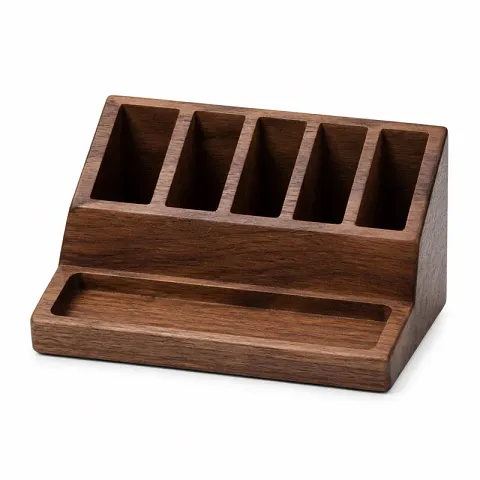
Walnut desk organizer$68.00
Found on Temu
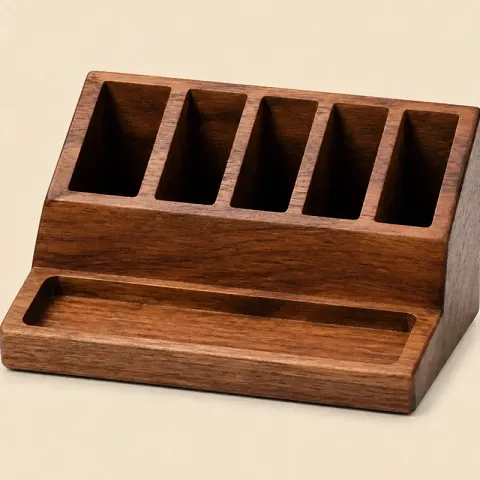
Walnut desk organizer$8.99
Exact photo match, confirmed in the listing's own gallery
What brand protection software does
Brand protection software exists because the theft is faster than you are. You spend a year on a product, shoot the photos, write the listing, and a stranger has all of it live on three marketplaces by the weekend. Doing anything about it by hand means searching, screenshotting, proving, filing, and then starting over when the same seller reappears under a new name. If the term itself is new to you, start with what brand protection means and why it matters, then come back for the software half.
Every real product in this category does some part of four jobs. It watches the surfaces where copies appear. It decides whether a suspected copy is actually yours. It builds the record that makes a claim stick. And it keeps watching after the copy comes down, because coming back is what copycats do.
Most tools stop at the first job. They send you a list of URLs that look similar to your product and hand the rest back. That list is where the whack-a-mole starts, not where it ends. The hours you were trying to buy back are the hours between a suspicious URL and a filed, provable claim.
Knockoff does all four. Your Shopify catalog syncs, your product photos become the reference, and every surface gets checked on a schedule. A match counts only when your photo appears in the seller's own listing gallery. When it does, the match arrives with its evidence: an archived copy of the page, a timestamped screenshot, and your original next to the copy. Knockoff writes the notice and files it as your authorized agent on covered platforms. See the four steps from connected store to filed takedown, or read how this lands for a DTC store in ecommerce brand protection for a Shopify catalog.
What brand protection software costs
Almost nobody in this category shows a price. The enterprise vendors sell through a demo call and an annual contract, and merchants who have sat through that call report quotes in the tens of thousands of dollars a year. If you are doing $400k in revenue, that is not a purchase decision. It is a reason to close the tab and go back to reporting listings yourself at eleven at night. We wrote up how the brand protection companies compare on price, including the three that publish one. The biggest of them puts real numbers on a checkout page most buyers never reach: here is what Red Points actually charges.
The other end of the market is a five-dollar app that adds a watermark, or a freelancer who charges per notice. Merchants have tried both. Watermarks come off in seconds now, and per-notice pricing stops making sense the moment one copycat becomes six.
Knockoff is a signup form and a monthly price. Notices written for you and filed on covered platforms are included with no monthly cap, so a bad month costs you attention and not a bigger invoice.
Fully managed
$799/mo
You sign one Letter of Authorization and we file the takedowns for you on covered platforms. For Amazon photo claims, we prepare the notice and you send it from your own account in about two minutes.
- Products monitored
- Unlimited
- Rescans
- Daily
- Filed on covered platforms
- Included
- Surfaces
- All supported marketplaces, Facebook and Instagram
- Fake accounts
- Instagram, TikTok and Facebook
Not ready to buy anything yet? Start with the plan itself: how to build a brand protection strategy, including the parts you can run for free.
What to look for in brand protection solutions
Every vendor in this category will show you a big number of listings removed. That number tells you nothing about what happens on your account. These four questions do, and they work on any brand protection solution you are considering, including this one.
- What proof arrives with each match? Ask for the list by name. A claim needs the exact notice written out, an archived copy of the page as it looked when it was found, a timestamped screenshot, your original beside the copy, and a link to the right form. A row in a dashboard is not proof.
- What stops a weak claim going out? A takedown notice is signed under penalty of perjury and the seller can push back. A match counts only when your own photo appears in the seller's listing gallery, and the automated checks can only remove a match, never add one. Weak cases are never filed.
- What happens when the listing comes back? Everyone counts the first removal. The relist is the one that keeps costing you. A relist watch runs on every filed case, and a reappearance opens a fresh follow-up package that Knockoff files.
- What will it refuse to do? Legitimate resellers of your own goods are off limits here. A match that cannot be confirmed against your own photos is not filed. A vendor with no stated limits has not thought about your account, only their volume.
Confirmed match
FiledYour listing
Walnut desk organizer
$68.00
Found on Temu
Walnut desk organizer
$8.99
Exact photo match
2026-08-14 09:41 UTC
Digital brand protection is more than stolen listings
A stolen photo on a marketplace is the version of this problem everyone pictures. It is rarely the only version running. Digital brand protection has to cover the other places your brand shows up without you, which is the whole of what online brand protection covers.
The first is the copycat storefront: a whole site built to look like yours, usually at a fraction of your prices, sometimes shipping nothing at all. Your customers find it, buy from it, and come to you when it goes wrong. Copycat storefront detection is included and catches them the day they go live. If the clone is hosted on Shopify, the practical route is here: file a DMCA takedown with Shopify. For the wider version of that lane, see what brand impersonation costs the real brand.
The second is a trademark application on a name close to yours. Someone files a mark close enough to yours to trade on it, and the window to do anything about it opens and closes while you are busy. US trademark watch is included and flags new US filings that sit close to your marks. Here is how trademark monitoring works and what it does not cover.
The third is the copy that was re-shot rather than lifted. When a copycat photographs your product themselves, or regenerates your photos, nothing about the image is identical any more. Knockoff recognizes the product itself, not the photo file, and tells you it happened. That lane is advisory and never becomes a takedown on its own.
Brand protection services and brand protection tools are not the same purchase
The words get used as if they mean one thing. They describe two different deals, and knowing which one you are signing changes what you should pay.
Brand protection tools are software you operate. A scanner finds candidates, you judge them, you gather the proof, you write the notice, you file. The subscription is cheap because the labor is still yours. If you have someone on the team whose week can absorb that, tools are a reasonable buy.
Brand protection services take the labor and hand you a report. That is worth real money, and the enterprise vendors charge it. The tradeoff is opacity: an annual contract, a dashboard of numbers, and a claim history you never read line by line before it was sent.
Knockoff sells the second deal at the first one's price. The finding, the matching and the evidence are done for you, because that is the labor, and so is the filing: you sign a Letter of Authorization once, Knockoff writes the notice and files it as your authorized agent on covered platforms. What you keep is the record: every case, its evidence and the notice filed for you. If you want the same idea narrowed to one lane, here is what a done-for-you DMCA takedown service should cover, and here is how we handle your data, which for a store connection is less than you expect.
Doesn't Amazon already do this for free?
This is the honest first question, and the honest answer is that the free programs are real. Amazon Brand Registry, Etsy's IP portal, and the reporting forms every marketplace runs do remove listings. They are the correct destination for a claim. Knockoff files as your authorized agent on other covered platforms. For Amazon photo claims, Knockoff prepares the notice and you send it from your own Amazon account in about two minutes.
Three things they do not do. Brand Registry requires a registered trademark, which most brands at this stage do not have yet and which costs what a trademark attorney charges to file, and it does nothing for the copyright claims that cover your photos. Each program covers exactly one platform, and your photos rarely stop at one. And none of them tell you a copy exists. The form is waiting for you the day you find out, which for most founders is the day a customer sends a screenshot and asks why the other store is cheaper.
The finding and the proving is the job. That is the part Knockoff takes, across every watched surface at once, and the filing still goes through the platform's own front door.
What Knockoff does not do
Worth reading before you pay for anything in this category, here or anywhere else.
- Agent filing works only where the platform accepts it. On those platforms Knockoff signs and submits the notice for you. For Amazon photo claims, Knockoff finds the copy and prepares the notice, and you send it from your own Amazon account in about two minutes. Knockoff is not a law firm and nothing here is legal advice.
- It does not guarantee removals. Platforms act on complete, accurate claims and then decide for themselves. Every case is prepared to that standard, and no honest vendor can promise you the outcome.
- It works with Shopify stores only today. The connection is Shopify, one store per account, and your catalog is what gets watched.
- Trademark watch covers US filings. New US applications that sit confusingly close to your marks are flagged when they publish, and what confusingly close means to an examining attorney sets out the factors. There is no international coverage yet.
- Design-clone detection is advisory. When a copycat re-shoots or regenerates your photos, Knockoff can tell you. It never turns that alone into a takedown.
- It is not for clearing your resellers. Sellers legitimately reselling your own goods are off limits, and the product blocks it.
Questions
What is brand protection software? +
Software that watches for other people selling your work and turns what it finds into something you can act on. The good ones do four jobs: watch the places your products get copied, confirm that a suspected copy really is yours, build the proof, and keep watching after the copy comes down. Anything that only does the first job is an alert service, and alerts are not the part that takes your Sunday.
How much does brand protection software cost? +
Knockoff is $799 a month, with notices written for you and filed on covered platforms included. The enterprise vendors in this category do not publish prices; merchants who have gone through their sales process report annual quotes in the tens of thousands. Below that band sit per-notice freelancers and cheap monitoring apps. Knockoff is built for the gap between them, on monthly billing with no contract and a 30-day money-back guarantee. The guarantee ends when we file your first notice.
What is the difference between brand protection software and a brand protection service? +
Software gives you a screen and leaves the work to you. A service takes the work and gives you a report. Knockoff does the whole job: the watching, the matching, the evidence and the filing. You sign one Letter of Authorization, Knockoff writes each notice and files it as your authorized agent, and you can revoke that authorization any time. For Amazon photo claims, Knockoff prepares the notice and you send it from your own Amazon account in about two minutes.
Doesn't Amazon Brand Registry already do this for free? +
Brand Registry is real and worth enrolling in. It also requires a registered trademark, covers Amazon and nothing else, and gives you a reporting tool rather than a finder. You still have to notice the copy, gather the proof and write the report. That is the labor Knockoff takes on, across every marketplace and the open web at once.
Do I need a registered trademark to use brand protection software? +
Not for the copyright side, which is most of what gets stolen. Your product photos and descriptions are protected the moment you create them, and a copyright claim works on every marketplace with no registration. A registered US trademark matters for brand-name and logo cases, and it sharpens what a trademark watch can do for you.
What should I look for when comparing brand protection tools? +
Ask what proof arrives with each match, who reads a claim before it goes out, what happens when the listing reappears, and what the tool will not do. Any vendor that cannot answer the last one is selling you a number of listings removed and hoping you never audit the list.
Does Knockoff work for stores that are not on Shopify? +
Not yet. The connection is Shopify, one store per account, and your catalog is what gets watched. Other platforms are coming, and this page will say so when they arrive.