
Online brand protection
Online brand protection for the brand being copied online
Your photos end up on a marketplace listing. Your storefront gets cloned at half your prices. Knockoff watches all of it against your Shopify catalog, confirms every match in the seller's own listing gallery, and prepares the exact takedown, then signs and files it for you. For Amazon photo claims, you send the notice we prepare from your own Amazon account.
$799 a month. Monthly billing, no contract, 30-day money-back guarantee. The guarantee ends when we file your first notice.
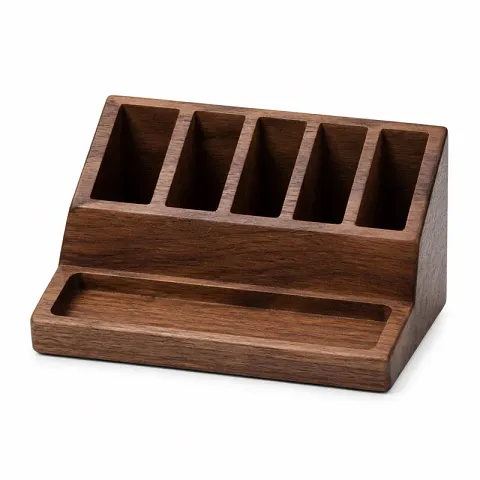
Walnut Organizer Shop
Your photos, their checkout
Certificate issued 2 hours ago, no customers yet
Your brand is online in more places than you put it
You published your product once. The internet copies it as many times as it likes. A photo you paid a studio for is a right-click away from a marketplace listing, your description is a paste away from a competitor's page, and your whole storefront can be cloned in an afternoon by someone who has never touched your product. If you just found a copy of your site, start with what to do when someone copies your website.
Almost nobody finds this on their own. It arrives as a message from a customer asking why the other store is cheaper, or as a one-star review for an order you never shipped. By then the copy has been live for months and has taken sales you will never see in your own reporting.
Online brand protection is the answer to that specific failure. Not a lawyer on retainer, not a watermark on your images, but something watching the surfaces where your work gets resold and telling you the day it happens instead of the quarter after.
If you are earlier than that and still working out what to buy, start with the brand protection software category, which covers the buying criteria and what the enterprise end of it charges, or with what brand protection is if the term itself is new.
The three places it happens
Different surfaces, different damage, different paperwork. A brand that only watches one of them is protected on paper.
- Marketplace listings. Your photos in somebody else's listing on Amazon, Temu, eBay, Etsy, AliExpress, Walmart, Facebook or Instagram. This is the highest-volume version and the one with a clear route: a copyright claim on your own photos, which needs no registered trademark. If the copy is hosted on Shopify, here is the Shopify takedown walkthrough.
- Copycat storefronts. A whole site built to look like yours, usually at a fraction of your prices, sometimes shipping nothing at all. The damage lands on you twice: the lost sale, then the refund request from a customer who thinks they bought from you. Copycat storefront detection is included and catches them the day they go live. More on what to do when somebody clones your store, and you can see which typo versions of your domain are taken in about a minute.
- Trademark filings on names close to yours. Someone applies for a mark close enough to yours to trade on it. The window to respond opens and closes on a schedule nobody tells you about. US trademark watch is included and flags new US applications that sit close to your marks when they publish. Read more about watching the trademark register for filings close to your name.
US serial 98/412,556
Word mark
Walnut Works Co.
Filed for: desk organizers, wood goods
Similar to your mark Published for opposition today
What watching your brand online looks like
You connect your store domain. Your catalog syncs, and your product photos become the reference every surface gets checked against. No API key, no password, no order or customer data changes hands. Read how we handle your data if that matters to you, and it should.
From there it runs on a schedule. A candidate only becomes a match when your photo appears in the seller's own listing gallery, which is the difference between a list of things that look similar and a case worth filing. Automated checks in the pipeline can only remove a match, never add one.
When a match is confirmed, the evidence arrives with it: an archived copy of the page as it looked when it was found, a timestamped screenshot, and your original beside the copy. Knockoff writes the notice and files it as your authorized agent on covered platforms, and chases the reply.
Then the watching continues, because relisting is what copycats do. A filed case stays under watch, and a reappearance opens a fresh follow-up package that Knockoff files. That is the whack-a-mole part, and it is the part that makes people quit. See the four steps from connected store to filed takedown.
One more case worth naming: the copy that was re-shot instead of lifted. When a copycat photographs your product themselves, or regenerates your photos, nothing about the image file matches any more. Knockoff recognizes the product itself, not the photo file, and tells you it happened. That lane is advisory, and it never becomes a takedown on its own.
Doesn't Amazon or Etsy already do this for free?
This is the honest first question and the honest answer is that the free programs are real. Amazon Brand Registry, Etsy's IP portal and the reporting forms every marketplace runs do remove listings. They are the correct destination for a claim. Knockoff files as your authorized agent on other covered platforms. For Amazon photo claims, Knockoff prepares the notice and you send it from your own Amazon account in about two minutes.
Three limits are worth knowing before you rely on them. Brand Registry requires a registered trademark, which most brands at this stage do not have yet, and it does nothing for the copyright claims that cover your photos. Each program covers exactly one platform, and a seller running your photos rarely stops at one. And none of them watch anything on your behalf. The form sits there waiting for the day you find out, which is usually the day a customer tells you.
The finding and the proving is the job. That is what Knockoff takes on, across every watched surface at once, and the filing still goes through the platform's own front door.
What this costs
Enterprise brand protection is sold on a demo call and an annual contract, and merchants who have sat through that call report quotes in the tens of thousands a year. At the other end sit five-dollar watermark apps and freelancers who bill per notice. Watermarks come off in seconds now, and per-notice pricing stops making sense the moment one copycat becomes six.
Knockoff is a signup form and a monthly price, $799 a month. That covers the watching, the evidence, and notices written and filed for you on covered platforms with no monthly cap, so a bad month costs you attention and not a bigger invoice. There is no contract, no trial and a 30-day money-back guarantee. The guarantee ends when we file your first notice. See what the plan covers on the pricing page, or read what a done-for-you takedown service should hand you.
What Knockoff does not do
Worth reading before you pay for anything in this category, here or anywhere else.
- It works with Shopify stores only today. The connection is Shopify, one store per account, and your catalog is what gets watched.
- It does not guarantee removals. Platforms act on complete, accurate claims and then decide for themselves. Every case is prepared to that standard, and no honest vendor can promise you the outcome.
- Agent filing works only where the platform accepts it. On those platforms Knockoff signs and submits the notice for you. For Amazon photo claims, Knockoff finds the copy and prepares the notice, and you send it from your own Amazon account in about two minutes. Knockoff is not a law firm and nothing here is legal advice.
- Trademark watch covers US filings. New US applications that sit confusingly close to your marks are flagged when they publish. There is no international coverage yet.
- Design-clone detection is advisory. When a copycat re-shoots or regenerates your photos, Knockoff can tell you. It never turns that alone into a takedown.
- It is not for clearing your resellers. Sellers legitimately reselling your own goods are off limits, and the product blocks it.
Questions
What is online brand protection? +
Watching the places on the internet where your brand shows up without you, and doing something about the ones that are stealing. In practice that means marketplace listings running your product photos, copycat storefronts trading on your name, and new trademark applications sitting close to your marks. Protection is the part after the watching: the proof, the notice, and the follow-up when the copy returns.
How is online brand protection different from brand protection software? +
It is the same work described from two directions. The software question is which product you buy and what it costs. The online question is which surfaces of the internet your brand is exposed on and how each one gets covered. Most brands start with the second question because a customer sent them a screenshot, then work back to the first.
Where do stolen product photos usually turn up first? +
Marketplaces, because that is where the traffic already is. Amazon, Temu, eBay, Etsy, AliExpress and Walmart carry most of the reported cases, and one seller often runs the same photos on several of them at once. The open web is the second wave: standalone stores built on your images, priced low enough that your customers believe it is a sale.
Doesn't Amazon Brand Registry already cover this for free? +
It covers Amazon, and it is worth enrolling in. It also requires a registered trademark, does nothing for the copyright side that protects your photos, and stops at Amazon's borders. Every other marketplace runs its own separate program. None of them tell you a copy exists, so the finding and the proving stays with you across all of them.
Do I have to file the takedowns myself? +
No. Knockoff does the finding, the matching and the evidence. Knockoff writes the notice and files it as your authorized agent on covered platforms under a Letter of Authorization you sign once. Knockoff is not a law firm and nothing here is legal advice.
What does online brand protection cost? +
Knockoff is $799 a month, with notices written and filed for you on covered platforms included, on monthly billing with no contract and a 30-day money-back guarantee. The guarantee ends when we file your first notice. The enterprise vendors in this category publish no prices at all and sell through a demo call and an annual contract.
Does this work for stores that are not on Shopify? +
Not yet. The connection is Shopify, one store per account, and your catalog is what gets watched. Other platforms are coming, and this page will say so when they arrive.