
Ecommerce brand protection
Ecommerce brand protection priced for the store, not the legal department
You built the product, shot the photos and wrote the listing. Somebody else is selling it on Amazon with your pictures. Knockoff watches your Shopify catalog across the marketplaces and the open web, confirms every match in the seller's own listing gallery, and prepares the exact takedown, then signs and files it for you. For Amazon photo claims, you send the notice we prepare from your own Amazon account.
$799 a month. Monthly billing, no contract, 30-day money-back guarantee. The guarantee ends when we file your first notice.
Your listing
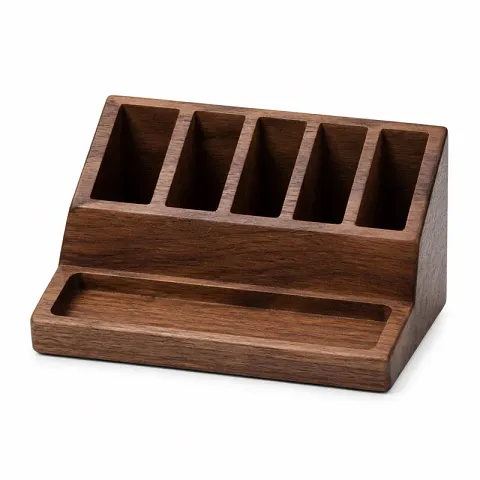
Walnut desk organizer$68.00
Found on Temu
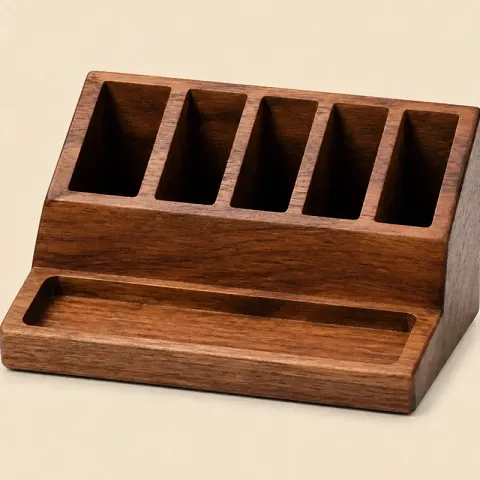
Walnut desk organizer$8.99
Exact photo match, confirmed in the listing's own gallery
What ecommerce brand protection actually means
An online store publishes everything it owns. The photos, the descriptions, the design details, the price. That is the job, and it is also the exposure. Every asset that makes a product sell is a right-click away from somebody who has never made anything.
For a direct-to-consumer brand the theft arrives in a handful of familiar shapes. Your photos in a marketplace listing, sold by a seller in another country at a third of your price. A storefront cloned in an afternoon on a domain one letter off yours. A seller using your brand name in a title so your own ads send them buyers. Occasionally a trademark application filed close enough to your mark to trade on it.
Almost nobody finds this on their own. It arrives as a customer message asking why the other store is cheaper, or as a one-star review for an order you never shipped. By then the copy has been live for months and has taken sales that will never appear in your reporting.
Ecommerce brand protection is the answer to that specific failure. Something watching the surfaces where your work gets resold, telling you the day it happens, and turning each find into a claim you can file instead of a screenshot you feel bad about. If you are still working out what to buy, start with sizing up brand protection software before you buy, or with the strategy a small brand can actually run.
Where a DTC store gets hit
Different surfaces, different damage, different paperwork. A brand watching one of them is protected on paper.
- Marketplace listings running your photos. The highest-volume version and the one with the cleanest route, because a copyright claim on your own photography needs no registered trademark. One seller usually runs the same images on several marketplaces at once, which is why finding one copy is rarely the end of it.
- Copycat storefronts. A whole site built to look like yours, priced low enough to read as a clearance sale, sometimes shipping nothing at all. The bill lands on you twice: the lost sale, then the refund request from somebody certain they bought from you. More on cloned storefronts trading on your name, and the free Shopify theme detector tells you what a copycat store was built from.
- Sellers using your brand name. Your name in a listing title or a shop name, catching the demand you paid to create. This is the trademark side, and what you can do about it depends on what you have registered.
- Re-shot and regenerated copies. A copycat who photographs your product themselves, or pushes your photos through an image model, leaves nothing about the original file to match. Knockoff recognizes the product itself, not the photo file, and tells you when that happens.
- Trademark filings on names close to yours. Somebody applies for a mark close to yours, and the window to respond opens and closes on a schedule nobody tells you about. US trademark watch flags new US applications sitting close to your marks when they publish.
Most brands eventually get several of these at once, usually from the same operator. For the wider version of the map, read the full picture of where your brand shows up without you.
How this works for a Shopify store
You connect your store domain. Your catalog syncs, and your product photos and copy become the reference every watched surface gets checked against. No API key, no password, no order or customer data changes hands. Read how we handle your data before you connect anything, here or anywhere else.
- Confirmed matches only. A candidate becomes a match when your photo appears in the seller's own listing gallery. That is the difference between a list of things that look similar and a case worth filing. Automated checks in the pipeline can only remove a match, not add one.
- The evidence arrives with the match. An archived copy of the page as it looked when it was found, a timestamped screenshot, and your original beside the copy. Knockoff writes the exact notice and files it as your authorized agent.
- Weak claims never go out under your brand. A match counts only when your own photo appears in the seller's listing gallery, and the automated checks can only remove a match, never add one.
- The relist gets caught too. Copies come back, which is the part that makes founders quit. A filed case stays under watch, and a reappearance opens a fresh follow-up package that Knockoff files.
- Related sellers get connected. One operator often runs several listings and several stores. Knockoff shows you when the copies it finds point back to one operator, and files against each confirmed copy.
If the copy is itself a Shopify store, the practical walkthrough is here: filing a Shopify DMCA takedown yourself. If you would rather skip the paperwork entirely, this is having the takedown filed for you.
Doesn't Amazon or Etsy already do this for free?
This is the honest first question, and the honest answer is that the free programs are real. Amazon Brand Registry, Etsy's IP portal and the reporting forms every marketplace runs do remove listings, they cost nothing, and they are the correct destination for a claim. Knockoff files as your authorized agent on other covered platforms. For Amazon photo claims, Knockoff prepares the notice and you send it from your own Amazon account in about two minutes.
Three limits are worth knowing before you rely on them alone. Brand Registry requires a registered trademark, which plenty of brands at this stage do not have yet, and it does nothing for the copyright claims that cover your photos. Each program covers exactly one platform, and a seller running your images rarely stops at one. And none of them watch anything for you. The form sits there waiting for the day you find out, which is usually the day a customer tells you.
The finding and the proving is the job, and it stays yours no matter how many free forms exist. That is the part Knockoff takes on, across every watched surface at once, while the filing still goes through the platform's own front door.
What it costs an ecommerce brand
Enterprise brand protection is sold on a demo call and an annual contract, and merchants who have sat through that call report quotes in the tens of thousands a year. At the other end sit five-dollar watermark apps and freelancers who bill per notice. Watermarks come off in seconds now, and per-notice pricing stops making sense the moment one copycat becomes six.
Compare that cost against your ad budget. When a copy takes a click your ad paid for, the spend stays the same and the revenue it earns goes down. The ROAS calculator shows what that does to the headroom over your break-even, and the Stripe fee calculator prices the fee on every order that does come through.
Knockoff is a signup form and a monthly price, $799 a month. That covers watching your catalog, the evidence with every match, notices written and filed for you on covered platforms with no monthly cap, copycat storefront detection and design-clone detection, so a bad month costs you attention and not a bigger invoice.
No contract, no trial, monthly billing, and a 30-day money-back guarantee. The guarantee ends when we file your first notice. See what the plan covers, or read how a connected store becomes a filed takedown. Shopping the wider market first is fair: see how the eight brand protection companies stack up.
What Knockoff does not do
Worth reading before you pay for anything in this category, here or anywhere else.
- It works with Shopify stores only today. The connection is Shopify, one store per account, and your catalog is what gets watched.
- It does not guarantee detections or removals. Marketplaces, hosts and registrars decide for themselves what comes down and when. Every case is prepared to the standard their forms ask for, and no honest vendor can promise you the outcome.
- Agent filing works only where the platform accepts it. On those platforms Knockoff signs and submits the notice for you. For Amazon photo claims, Knockoff finds the copy and prepares the notice, and you send it from your own Amazon account in about two minutes. Knockoff is not a law firm and nothing here is legal advice.
- Trademark watch covers US filings. New US applications sitting close to your marks are flagged when they publish. There is no coverage of any register outside the United States.
- Design-clone detection is advisory. When a copycat re-shoots or regenerates your photos, Knockoff can tell you it happened. It does not turn that alone into a takedown.
- It is not for clearing your resellers. Sellers legitimately reselling your own goods are off limits, and the product blocks it.
Questions
What is ecommerce brand protection? +
Watching the places your products get resold without you, and acting on the ones that are stealing. For an online store that means marketplace listings running your product photos, copycat storefronts built on your images and your copy, sellers using your name, and trademark filings on names close to yours. Protection is the part after the watching: capturing the proof, writing the claim correctly, filing it in the right place, and catching the copy when it comes back.
How is this different from brand protection for a big enterprise? +
Mostly the price and the shape of the purchase. Enterprise brand protection is sold on a demo call and an annual contract, with a dedicated analyst attached and a legal team on your side to feed it. A DTC store has none of that. The founder is the legal department, the ops team and the person filing the notice at 11pm. Knockoff is built for that shape: a signup form, a monthly price, and filed takedowns instead of a dashboard of leads.
Do I need a registered trademark? +
Not for the photo side, which is most of what gets stolen from an online store. Your product photography is protected by copyright the moment you take it, with no filing and no fee, and a copyright claim works on every marketplace. A registered trademark widens what you can act on, particularly for sellers using your brand name, and Amazon Brand Registry requires one. It is not a prerequisite for reporting somebody running your photos.
Where do stolen product photos show up first? +
Marketplaces, because that is where the buying traffic already sits. Amazon, Temu, eBay, Etsy, AliExpress and Walmart carry most reported cases, and one seller often runs the same set of photos across several of them at once. Standalone copycat stores are the second wave, usually priced low enough that your own customers believe they found a sale.
Does this work if my store is not on Shopify? +
Not yet. The connection is Shopify, one store per account, and your synced catalog is what every watched surface gets checked against. Other platforms are coming, and this page will say so when they arrive.
What does ecommerce brand protection cost? +
Knockoff is $799 a month. That covers the watching, notices written and filed for you on covered platforms with no monthly cap, copycat storefront detection and design-clone detection. Monthly billing, no contract, 30-day money-back guarantee. The guarantee ends when we file your first notice.