
Brand protection for stores
Find the knockoffs before your customers do
Knockoff finds stolen listings, copycat storefronts and trademark filings that copy your brand name across Amazon, Temu, eBay, Etsy, AliExpress, Facebook, Instagram and the open web. It builds the complete case with archived proof. You sign a Letter of Authorization once, and we file each one as your authorized agent on covered platforms.
Five minutes to set up. Your first scan starts the moment you subscribe.

Detections
Last scan 09:41 UTC
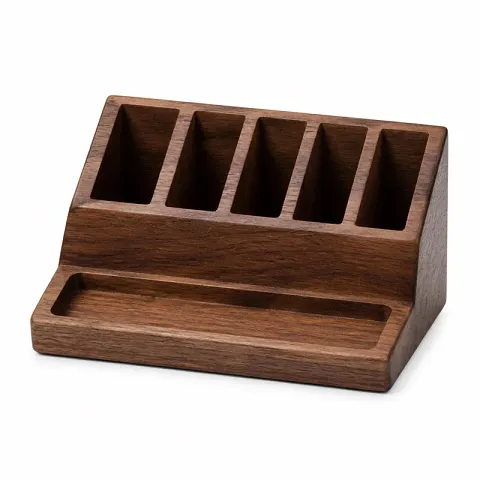
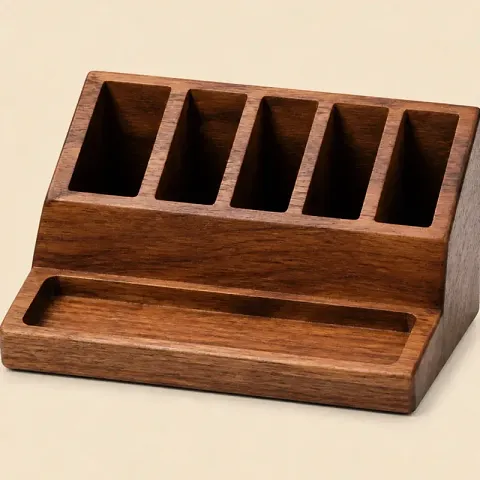
Walnut desk organizer
Found on Temu
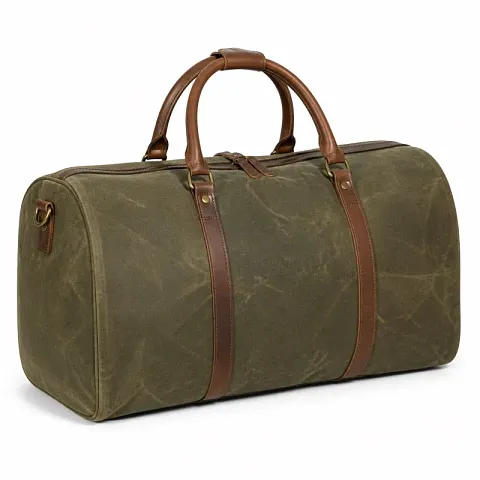
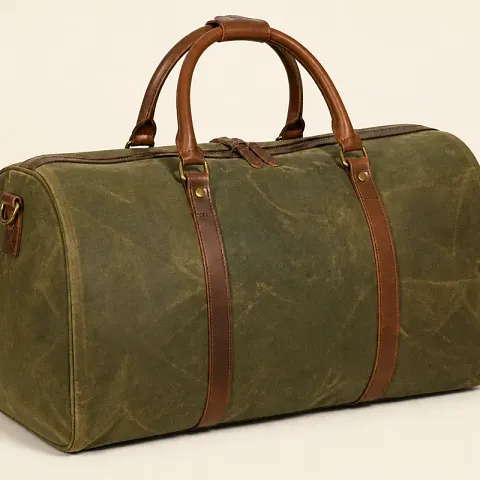
Canvas weekender bag
Found on AliExpress
Your listing
Walnut desk organizer
$68.00
Found on Temu
Walnut desk organizer
$8.99
Exact photo match, confirmed in the listing's own gallery
2026-08-14 09:41 UTC
Watched surfaces
How it works
From install to takedown in four steps.
[01]
Connect your store
Install takes five minutes. Your catalog syncs and every product photo is covered from that moment.
[02]
We watch everything
Reverse image search across every marketplace where knockoffs sell. Every match you see is backed by your own photo.
[03]
We confirm it
Every match arrives with evidence: archived page, timestamp, side by side. A match counts only when your own photo is in the seller's gallery.
[04]
We file it
We file the takedown as your authorized agent, then chase the reply. For Amazon photo claims, you send the notice we prepare.
Fully managed
You sign once, we file
Knockoff prepares the exact takedown, signs it, and files it as your authorized agent. You sign a Letter of Authorization once, and you can revoke it any time. For Amazon photo claims, we prepare the notice and you send it from your own Amazon account in about two minutes.
Weak cases are never filed in your name.
See the planStolen photos are just the start.
Four surfaces get watched, and here is where your brand gets copied online.
Stolen listings
Your product photos, resold by strangers. Found by exact image match and confirmed in the listing's own gallery.
Your listing
Walnut desk organizer$68.00
Found on Temu
Walnut desk organizer$8.99
Exact photo match, confirmed in the listing's own gallery
Copycat storefronts
Stores built to pass for yours, caught the day they go live, before your customers find them.
Walnut Organizer Shop
Your photos, their checkout
Certificate issued 2 hours ago, no customers yet
Trademark watch
New USPTO applications confusingly similar to your marks, flagged when they are published, not years later.
US serial 98/412,556
Word mark
Walnut Works Co.
Filed for: desk organizers, wood goods
Similar to your mark Published for opposition today
Fake accounts
Accounts on TikTok and Facebook trading on your name, checked every week and reported on your behalf with the evidence.
Walnut Works Co.
@walnutworks.official
Bio links to walnut-organizer-shop.com
Not your account Found on this week's check
Every case is built to hold up.
Marketplaces act on complete, accurate claims. Knockoff prepares every takedown to that standard. See what a DMCA takedown service should hand you.
Your catalog and your evidence stay yours. Read how we handle your data.
- A complete evidence package.
- Every case includes the exact notice, screenshots of the infringing listing, and proof of your original work.
- Confirmed matches only.
- A match is confirmed only when your photo appears in the seller's own listing gallery. Weak cases never reach a marketplace in your name.
- Weak cases never go out.
- A match counts only when your own photo appears in the seller's listing gallery, and the automated checks can only remove a match, never add one.
- Legitimate resellers are protected.
- If a seller is genuinely reselling your goods, the case is stopped.
Pricing
One plan. No quotes, no contracts
Enterprise brand protection is sold on a demo call and an annual contract. Knockoff is a signup form and $799 a month.
New to the category? Here is what brand protection software actually does and what it should cost.
Fully managed
$799/mo
You sign one Letter of Authorization and we file the takedowns for you on covered platforms. For Amazon photo claims, we prepare the notice and you send it from your own account in about two minutes.
A match counts only when your photo appears in the seller's own listing gallery.
- Products monitored
- Unlimited
- Rescans
- Daily
Every month includes
- Filed as your authorized agent on covered platforms under one Letter of Authorization
- Your whole catalog, checked every day
- New listings using your photos, on every marketplace we cover
- Copycat storefronts found through your photos, your logo, and names that resemble your brand
- The other stores run by the same operator
- Accounts pretending to be your brand on Instagram, TikTok and Facebook, checked every week
- Every new US trademark application checked against your brand
- Evidence packs with archived proof for confirmed matches
- Removed listings watched for 30 days, and filed again if they come back
Billed monthly. Your first scan starts the moment you subscribe.
Questions
Do I need a registered trademark? +
No. Your product photos are protected by copyright the moment you take them, and copyright claims work on every marketplace. A US trademark registration sharpens your trademark watch and strengthens filings, but it is not required. If the copy lives on a Shopify store, see how a Shopify DMCA takedown works.
Who files the takedown? +
Knockoff files on covered platforms. You sign a Letter of Authorization once, and Knockoff writes and files those notices as your authorized agent. You can revoke the authorization at any time. For Amazon photo claims, Knockoff finds the copy and prepares the notice, and you send it from your own Amazon account in about two minutes.
What does the fully managed plan cover? +
Knockoff prepares the exact takedown, signs it, and files it for you as your authorized agent on covered platforms. You sign one Letter of Authorization, and you can revoke it any time. For Amazon photo claims, Knockoff finds the copy and prepares the notice, and you send it from your own Amazon account in about two minutes.
Can this get my marketplace accounts in trouble? +
No. A match counts only when your own photo appears in the seller's listing gallery, and we don't file weak claims. Your filing history is yours alone, and we treat it that way.
Which platforms do you cover? +
Amazon, eBay, Walmart, Temu, Etsy, AliExpress, Alibaba, DHgate, Shein, Facebook and Instagram, plus copycat Shopify storefronts across the open web. Knockoff also watches TikTok and Facebook for accounts pretending to be your brand.
What counts as a takedown? +
One infringing listing or storefront that Knockoff acts against. There is no monthly cap. Knockoff files each takedown as your authorized agent, except for Amazon photo claims, where you send the notice Knockoff prepares.
What if the copycat re-shot the photos? +
Design clone detection recognizes the product itself, not the photo file, so re-shot, re-lit and AI-generated copies still get caught.
Is this only for Shopify? +
Today, yes. Connect your Shopify store and your catalog syncs automatically. More platforms are coming.
Reading
Guides for store owners
How the takedown process works, what it costs, and what to file first.
Statement of use and intent-to-use: the deadlines, the fees, and what counts as a specimen
Your notice of allowance is a clock and a bill. Six months from the issue date, $150 per class, five extensions at $125, a filled-in example, and the specimen rules that decide whether a Shopify product page is accepted.
The best brand protection companies in 2026
Eight companies compared honestly: who publishes a price, who needs a sales call, and which fits a small Shopify brand.
Instagram impersonation: which report actually removes a fake account copying your brand
Instagram's impersonation form asks for a photo of a person holding their ID, which a company cannot supply. Which of the trademark, copyright and counterfeit forms fits what the fake account did, what each asks for, and what filing one tells the account holder about you.
How to report Etsy shops that copied your listings
One report per design, every copying listing added by URL, and what gets a report rejected.
Copyright vs trademark: which one covers what got copied
Copyright covers the things you made and trademark covers the names buyers recognize you by. Which right covers a photo, a description, a name, a logo, packaging or a product shape, what each costs and takes, which marketplace form accepts which claim, and what happens when you file the wrong one.
How to copyright your product photos
Your photos are protected from the shutter click, and a takedown never needs a registration. Which of the four Copyright Office applications fits a product catalog, what each costs, why a median 1,441-photo catalog registers for $110 instead of $64,845, and the freelancer paperwork most brands are missing.
Common law trademark rights: what an unregistered mark lets you do against a copycat
You never registered the name and somebody is copying you. What use in commerce actually gives you, how far it reaches, which platform forms take an unregistered mark and which demand a registration number, what registration adds, and how long 6,983 use-based applicants waited before they filed.
Trademark cease and desist letter: free template and how to send one
The letter to send when somebody trades on your brand name: a copy-paste template with a version for unregistered marks, the cases where sending it is a mistake, and which lever fits which surface.
Bustem review: what it costs and who it fits
Bustem publishes no price and every button books a call. The band its founder published, what its Stripe-verified revenue divides out to, how the homepage reads against the Terms, and who carries the risk when a takedown is disputed.
Red Points review: what it costs and who it actually fits
What Red Points charges, from the $938 a month base plan to the per-trademark and per-marketplace add-ons on its own checkout, what its two very different review populations are saying, and the brand size the pricing suits.
Amazon Transparency: what it costs and when it is worth it
Amazon charges $0.05 a code and nothing to enroll. The label and the hand that puts it on every unit cost more than the code. The all-in bill at 1,000 to 200,000 units a year, in two lanes, and the cases where enrolling is the wrong move.
Amazon Project Zero vs Transparency: which program you actually need
Transparency puts a paid code on every unit you make. Project Zero hands you a free takedown button, by invitation only. What each one costs, the 22 versus 10 country gap, and the failure modes brands report.
All 19 free tools, including the Copyright symbol: copy © and ℗
See it working before you sign up
A sample brand with detections, evidence, and takedown outcomes. Click around the whole account.